-
×
 Gel Capsules - 100pcs
1 × R115,00
Gel Capsules - 100pcs
1 × R115,00 -
×
 Pomegranate Fragrance Oil - 50ml
1 × R90,00
Pomegranate Fragrance Oil - 50ml
1 × R90,00 -
×
 Lily Of The Valley Fragrance Oil - 50ml
2 × R79,00
Lily Of The Valley Fragrance Oil - 50ml
2 × R79,00 -
×
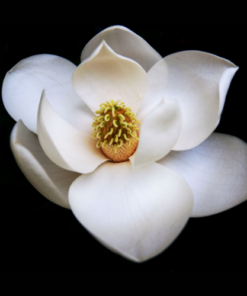 Magnolia Fragrance Oil - 50ml
1 × R79,00
Magnolia Fragrance Oil - 50ml
1 × R79,00 -
×
 Lavender Field Fragrance Oil - 50ml (CP)
1 × R66,00
Lavender Field Fragrance Oil - 50ml (CP)
1 × R66,00 -
×
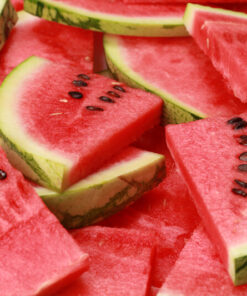 Watermelon Fragrance Oil - 50ml
1 × R63,80
Watermelon Fragrance Oil - 50ml
1 × R63,80 -
×
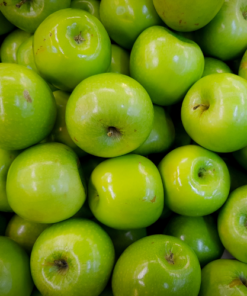 Green Apple Fragrance Oil - 50ml
1 × R68,00
Green Apple Fragrance Oil - 50ml
1 × R68,00 -
×
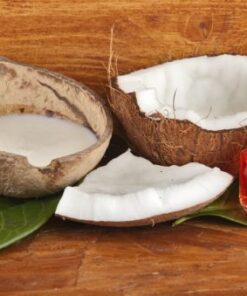 Coconut Fragrance Oil - 50ml
1 × R75,00
Coconut Fragrance Oil - 50ml
1 × R75,00 -
×
 Mint Fragrance Oil - 50ml
1 × R130,00
Mint Fragrance Oil - 50ml
1 × R130,00 -
×
 Frankincense & Myrrh Fragrance Oil - 50ml
1 × R198,50
Frankincense & Myrrh Fragrance Oil - 50ml
1 × R198,50
Blogs + Announcements
Why Every Cosmetic Formulator Should Keep a Batch Record

29
Jul
Jul
Why Every Cosmetic Formulator Should Keep a Batch Record
Whether you’re making a single jar of face cream for yourself or producing products for customers, one habit separates hobbyists from professional formulators: keeping accurate batch records.
Many beginners believe they will remember exactly what they used in a formulation. Unfortunately, after making several products, it becomes almost impossible to remember every ingredient, percentage, fragrance, or adjustment.
A simple batch record can save time, money, and frustration.
What Is a Batch Record?
A batch record is a written record of every product you make. It contains all the important information about that specific batch, allowing you to reproduce successful products and identify problems if something goes wrong.
Think of it as your product’s history.
What Should Be Recorded?
A good batch record should include:
- Product name
- Batch number
- Date manufactured
- Formula (with percentages and actual weights)
- Batch size
- Raw material suppliers
- Lot or batch numbers of ingredients (if available)
- Mixing temperatures
- pH reading (where applicable)
- Preservative used
- Fragrance or essential oil used
- Colourants added
- Packaging used
- Final observations
Why Batch Records Matter
1. Consistency
Customers expect the same quality every time they buy your products.
Without records, today’s luxurious lotion may become next month’s runny cream because you forgot a small adjustment.
2. Easier Troubleshooting
If a cream separates, a shampoo becomes too thin, or a lotion changes colour, your records help you identify what changed.
Perhaps you used a different emulsifier, mixed at a different temperature, or substituted an ingredient.
Without notes, you’re simply guessing.
3. Cost Control
Recording ingredient quantities helps you calculate the true cost of every product.
Knowing your production costs allows you to price products correctly and maintain healthy profit margins.
4. Product Improvement
No formula is perfect the first time.
By comparing different batches, you can make small improvements until your product performs exactly as you want it to.
Professional formulators rarely create the perfect formula in one attempt—they refine it over multiple batches.
5. Professionalism
Keeping detailed manufacturing records is standard practice in the cosmetic industry.
Even if you’re making products from home, developing professional habits now will benefit your business as it grows.
Create Your Own Batch Number
A simple numbering system works well.
For example:
- BC260728-01 = Body Cream, 28 July 2026, Batch 01
- SH260728-02 = Shampoo, 28 July 2026, Batch 02
Choose a system that is easy for you to understand and use consistently.
Digital or Paper?
Both methods work well.
Some formulators prefer a notebook, while others use spreadsheets that automatically calculate ingredient weights and costs.
The important thing is that your records are easy to find and updated every time you make a product.
Final Thoughts
Successful cosmetic formulation is both a science and an art. Creativity is important, but good record-keeping is what transforms a passionate hobby into a professional skill.
The next time you make a lotion, shampoo, soap, or body butter, take a few extra minutes to record every detail. Your future self will thank you.
At Fun with Soap, we encourage every maker—from beginner to experienced formulator—to develop professional formulation habits. Great products start with great records, and consistent records lead to consistently outstanding products.